The tree register: how pupils are learning to keep trees alive
Planting day is the easy part. A Climate Champions club shows what happens in the eleven months that follow — watering rotas, mulch, tree guards and a register with every seedling's name on it.
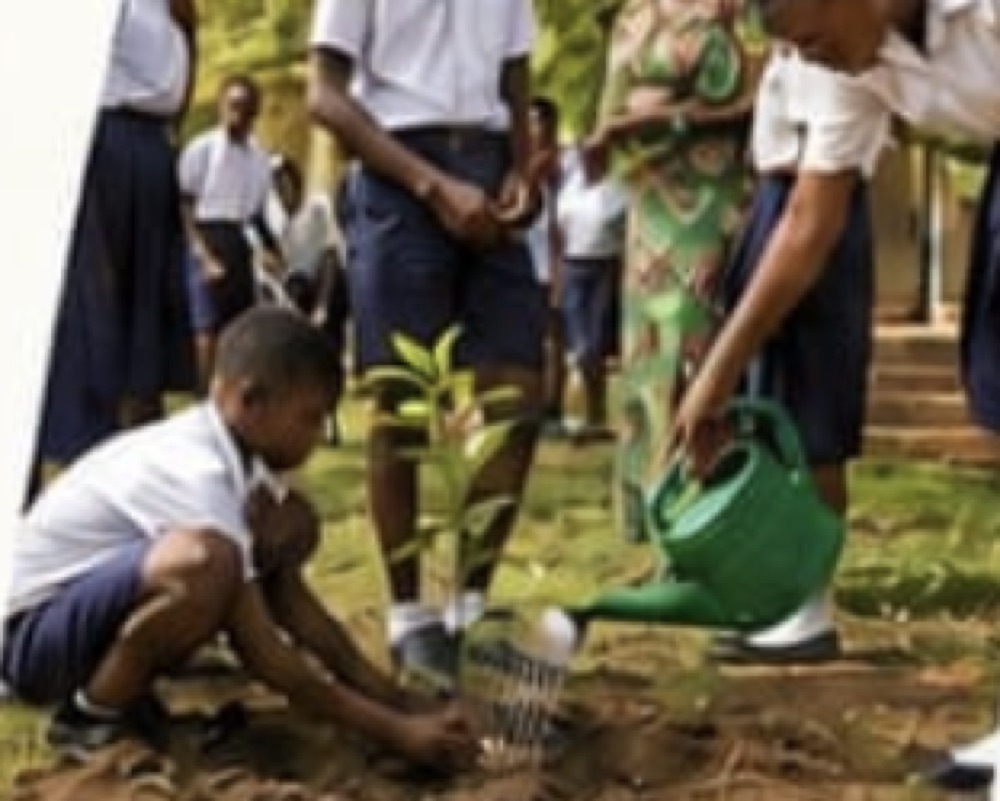
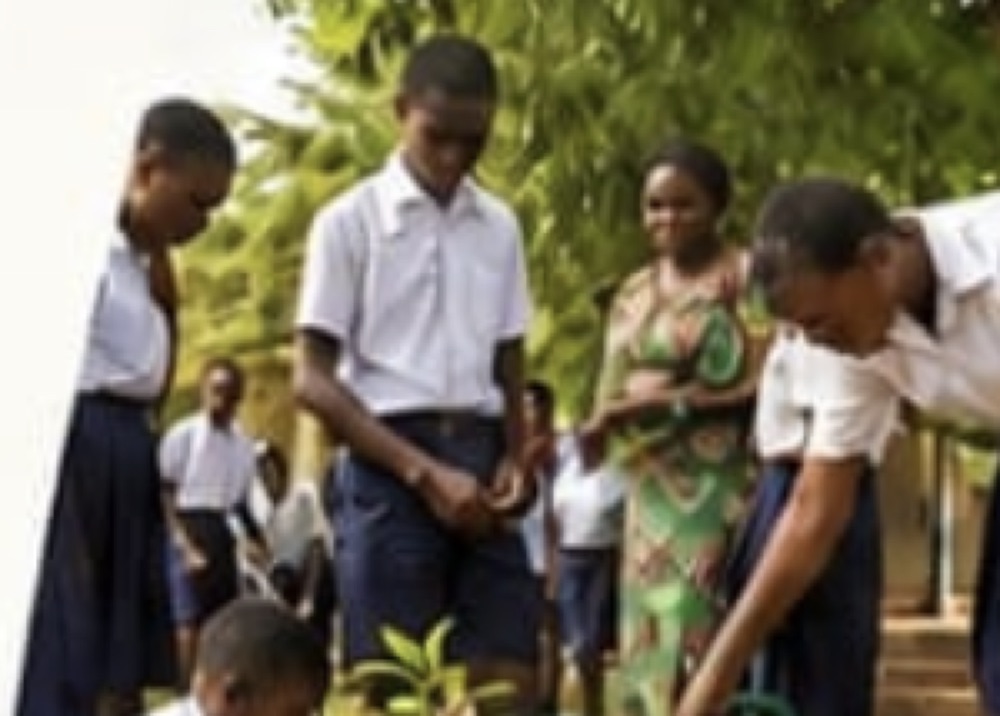
Most school tree planting ends the moment the photographs are taken. The seedlings go into the ground, the visitors leave, and by the following dry season a good number of them are gone.
The Climate Champions School Clubs Initiative is built around the opposite habit. Before a single hole is dug, the club agrees who is responsible for each tree.
Every tree has a name and a class
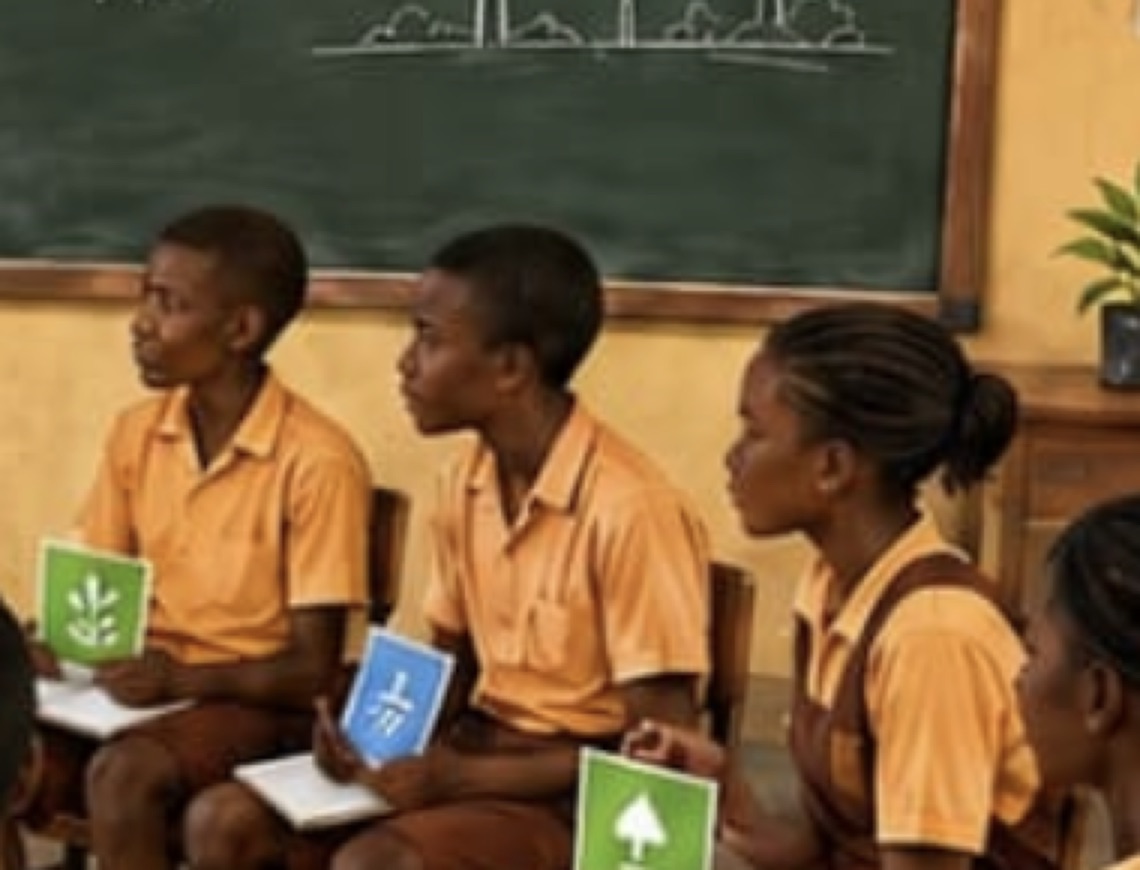
Club members open a tree register. For each seedling they record the species, where it was planted, the date, and the class or action team that will look after it. Each tree is given a simple identity card, and the same pupils return to it week after week.
That small act of ownership changes the conversation. A tree is no longer "the school's tree" — it belongs to a group of children who will be asked about it at the next club meeting.
The care routine
Pupils in the Tree Care Team learn a short, repeatable routine:
- Water on a rota, especially through the first dry season
- Mulch around the base to hold moisture in the soil
- Protect young stems with simple guards against animals and footballs
- Check monthly and record whether the tree is alive, struggling or lost
- Replace any tree that dies, and note why it happened
Recording a loss honestly matters as much as celebrating growth. A tree that dies because the guard failed teaches the club something the next planting season can use.
Why survival is the measure
Under CCSCI, clubs are recognised for tree survival, care and evidence — not for the number of seedlings received. Six and twelve months after planting, pupils check each tree again and update the register.
Pupils are quick to point out which trees are theirs. Once a child has watered something through a dry season, they do not walk past it.
By the end of a school year, a club has more than a greener compound. It has a record of what it planted, what survived, and what it would do differently — and a group of children who know, from experience, that caring for a tree is a year-round job.
Support this work
Every club in this story is supported by partners who choose to stand behind a school. There is room for more.
Partner With AgNova